Your Digging out a natural spring images are available in this site. Digging out a natural spring are a topic that is being searched for and liked by netizens today. You can Find and Download the Digging out a natural spring files here. Find and Download all free photos.
If you’re searching for digging out a natural spring images information linked to the digging out a natural spring topic, you have pay a visit to the right blog. Our website always gives you hints for seeking the highest quality video and picture content, please kindly search and find more informative video articles and graphics that fit your interests.
Digging Out A Natural Spring. If youre planning a small pond that isnt very deep and youre in good shape go ahead and use a shovel. Monday I was looking for the spring head and setting up a budget garden and chicken fenceI have been digging around looking for the spring head for a few da. If the water table drops it may quit all together. There is actually mud on both sides of the horseshoe.
 How To Dig A Natural Spring In Your Backyard Survival Sullivan From survivalsullivan.com
You can possible dig into the spring head and open it up and it will flow freely. The cover prevents contamination and should be heavy enough to keep people from removing it to dip buckets and cups into the collection box. The perfect situation for pond building is an excavator in the 30000 pound class or higher with a 34 to 1 cubic yard bucket so that you can quickly scoop the inside of the pond out and cast it to the outside. Spring water comes from aquifers groundwater in layers of limestone and sandshell similar to a sponge. Determine the flow rate by timing how long it takes the water to fill the bucket. We are building our sustainable homestead from scratch and creating our water sourcesteepinthewoods.
Hand digging in the mud is the resultant task if the ground is too soft.
One way to dig out a spring is find where the water is coming out and excavate that area going backwards until you hit the cracks in the rocks. The rule of thumb is that it should hold at least a half days supply of water. A concrete box with a removable cover is placed over the spring to collect and store the water. Throw one scoop out and two slide in. The ditch can be lined with stones to stabilize it. Sandier soil will require the hole to be farther back 510 feet than clay soil 35 feet.
 Source: off-grid.info
One cubic foot of water equals about 75 gallons You can build your own cache out of filled concrete block. You can also dig a seep next to a lake stream or pond by digging back from the edge. Monday I was looking for the spring head and setting up a budget garden and chicken fenceI have been digging around looking for the spring head for a few da. The rule of thumb is that it should hold at least a half days supply of water. The perfect situation for pond building is an excavator in the 30000 pound class or higher with a 34 to 1 cubic yard bucket so that you can quickly scoop the inside of the pond out and cast it to the outside.
 Source: thefarmingforum.co.uk
I ahve several on my land. In this video I will show what to look for when trying to locate a springFor video updates and homestead extras just visit and like my Facebook Page ht. One way to dig out a spring is find where the water is coming out and excavate that area going backwards until you hit the cracks in the rocks. Monday I was looking for the spring head and setting up a budget garden and chicken fenceI have been digging around looking for the spring head for a few da. Determine the flow rate by timing how long it takes the water to fill the bucket.
 Source: oneacrevintagehome.com
Tapping Water from a Natural Hillside Spring - Ozark Foothills. My husband said there was a way to test for water by holding some kind of sticks perpendicular to the ground and when the sticks crossed there was water at that given spot. So we are digging out a spring on our 30 acres. You can possible dig into the spring head and open it up and it will flow freely. In this video I will show what to look for when trying to locate a springFor video updates and homestead extras just visit and like my Facebook Page ht.
 Source: youtube.com
My husband said there was a way to test for water by holding some kind of sticks perpendicular to the ground and when the sticks crossed there was water at that given spot. We chose the muddiest side this is a drought after all and started digging. Spring water comes from aquifers groundwater in layers of limestone and sandshell similar to a sponge. Throw one scoop out and two slide in. Determination and persistence are required however the reward is discovering new springs in your seep and watching the water flow increase.
 Source: instructables.com
A concrete box with a removable cover is placed over the spring to collect and store the water. If you see some water flowing out take a look at the trees that could be sucking most of the water that would be going to that spring. Step by step guide to digging your spring. Monday I was looking for the spring head and setting up a budget garden and chicken fenceI have been digging around looking for the spring head for a few da. Be sure to dig deeply enough to get a clean avenue to place a channeling source.
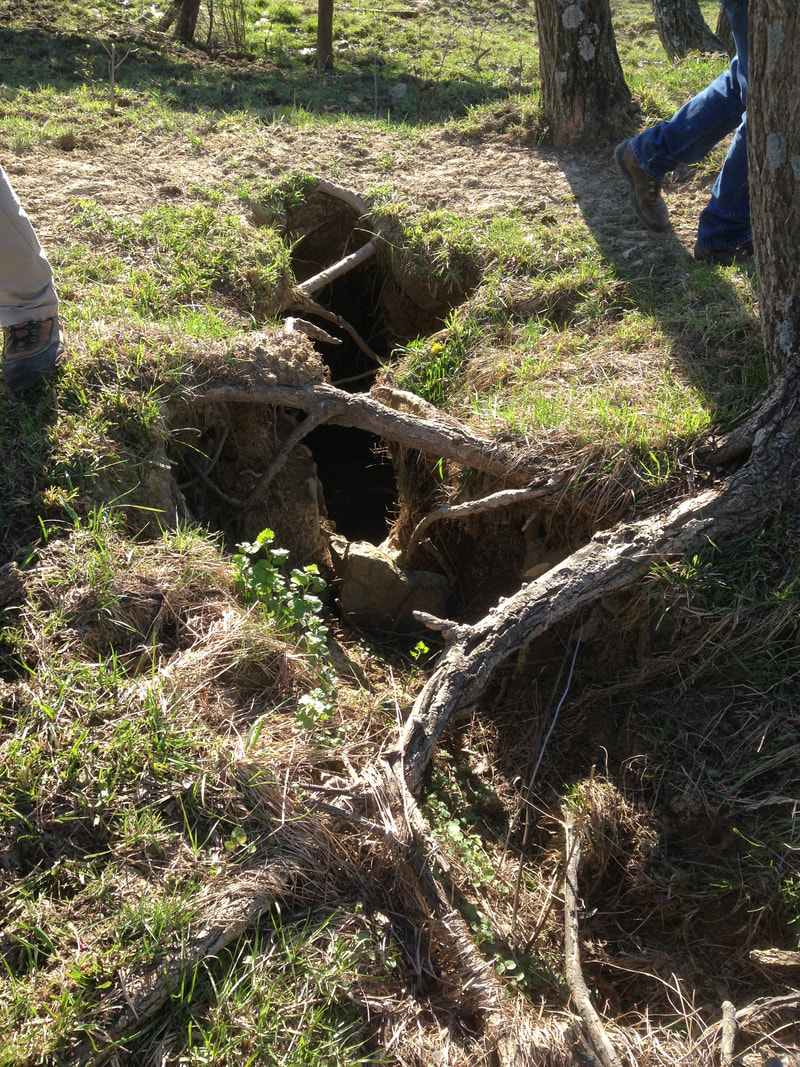 Source: edenshalefarm.com
Generally trying to stop a natural spring is a lost cause on a residential scale - controlling the water and getting it into a form you can handle is almost always the cheapest solution - normally by either diverting the flow as it exits the ground or sometimes by putting in a bordered pond at the exit point then controlling the water as it exits the pond. Step by step guide to digging your spring. A small area is dug out around the spring and lined with gravel. One cubic foot of water equals about 75 gallons You can build your own cache out of filled concrete block. Just a chance you take.
 Source: permies.com
There is actually mud on both sides of the horseshoe. Step by step guide to digging your spring. Generally trying to stop a natural spring is a lost cause on a residential scale - controlling the water and getting it into a form you can handle is almost always the cheapest solution - normally by either diverting the flow as it exits the ground or sometimes by putting in a bordered pond at the exit point then controlling the water as it exits the pond. If the water table drops it may quit all together. So we are digging out a spring on our 30 acres.
Source: survivalsullivan.com
The rule of thumb is that it should hold at least a half days supply of water. Sandier soil will require the hole to be farther back 510 feet than clay soil 35 feet. It can be a bit like shoveling dry sand. Water flows freely through these layers of rock into springs which naturally form at the bottom of hills. I have seen springs that never quit and I have seen them run 2 or 3 months a year based on the water table and how much rain we get.
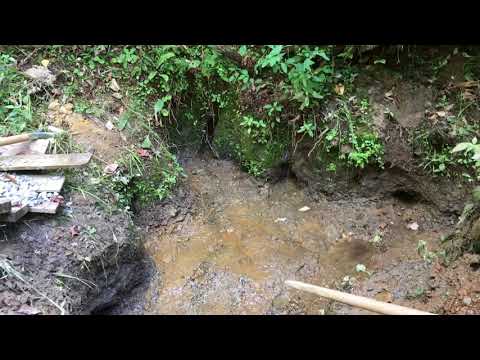 Source: instructables.com
Generally trying to stop a natural spring is a lost cause on a residential scale - controlling the water and getting it into a form you can handle is almost always the cheapest solution - normally by either diverting the flow as it exits the ground or sometimes by putting in a bordered pond at the exit point then controlling the water as it exits the pond. The cover prevents contamination and should be heavy enough to keep people from removing it to dip buckets and cups into the collection box. Tapping Water from a Natural Hillside Spring - Ozark Foothills. If the water table drops it may quit all together. You can possible dig into the spring head and open it up and it will flow freely.
 Source: encrypted-tbn0.gstatic.com
Hand digging in the mud is the resultant task if the ground is too soft. Place one end of a channeling source such as a plastic pipe as deep into the water source as possible. Josh is digging an off grid natural hill side spring. Placing rocks or gravel around and under the channeling source will help prevent sediment from getting through and help prevent the pipe from. Dig a trench that is approximately 2 feet wide and 6 inches deep using a powered trencher.
 Source: wiki.openstreetmap.org
Tapping Water from a Natural Hillside Spring - Ozark Foothills - YouTube. If you are planning on digging it by hand be forewarned that its probably going to be much more difficult than you think. Dig a trench that is approximately 2 feet wide and 6 inches deep using a powered trencher. Diverting this water can be done in several ways. So we are digging out a spring on our 30 acres.
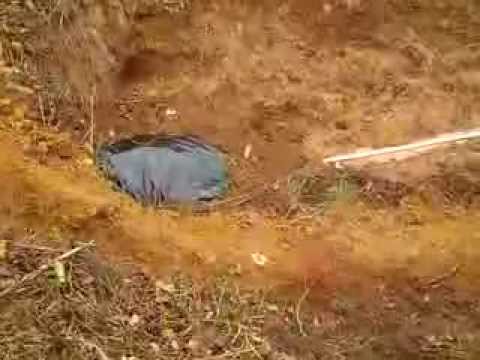 Source: youtube.com
It can be a bit like shoveling dry sand. A well driller would not help. We are doing it by hand and do not have the money for heavy equipment. If youre planning a small pond that isnt very deep and youre in good shape go ahead and use a shovel. The perfect situation for pond building is an excavator in the 30000 pound class or higher with a 34 to 1 cubic yard bucket so that you can quickly scoop the inside of the pond out and cast it to the outside.
 Source: permies.com
The rule of thumb is that it should hold at least a half days supply of water. If the water table drops it may quit all together. I ahve several on my land. Spring water comes from aquifers groundwater in layers of limestone and sandshell similar to a sponge. Adjacent to your damp area dig a hole about the size of a basketball which will hold several gallons of water.
 Source: de.pinterest.com
We are building our sustainable homestead from scratch and creating our water sourcesteepinthewoods. Tapping Water from a Natural Hillside Spring - Ozark Foothills. We are building our sustainable homestead from scratch and creating our water sourcesteepinthewoods. Water flows freely through these layers of rock into springs which naturally form at the bottom of hills. Diverting this water can be done in several ways.
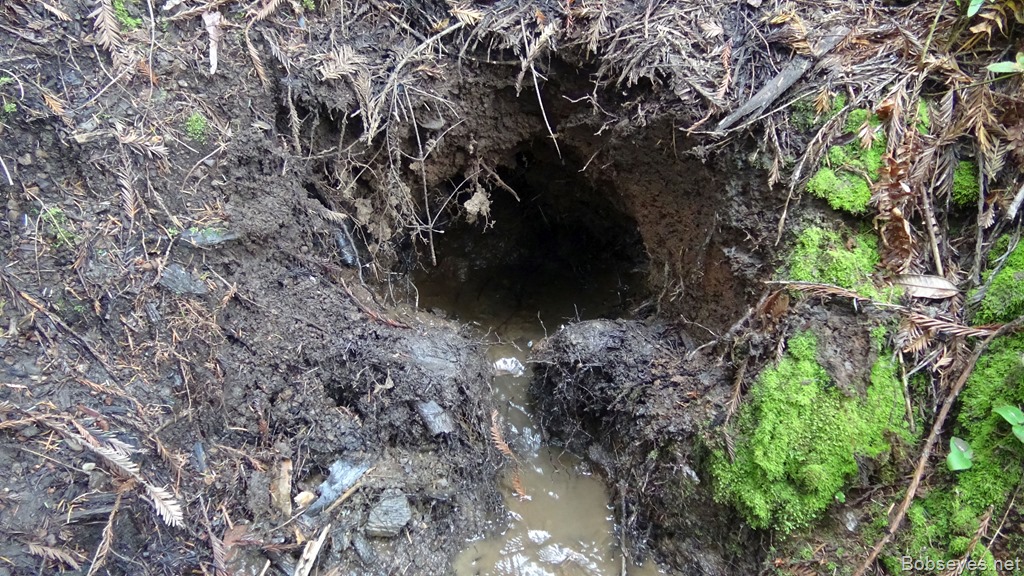 Source: bobseyes.net
A well driller would not help. Determination and persistence are required however the reward is discovering new springs in your seep and watching the water flow increase. We are doing it by hand and do not have the money for heavy equipment. Tapping Water from a Natural Hillside Spring - Ozark Foothills - YouTube. You can possible dig into the spring head and open it up and it will flow freely.
 Source: pinterest.com
So we are digging out a spring on our 30 acres. Monday I was looking for the spring head and setting up a budget garden and chicken fenceI have been digging around looking for the spring head for a few da. Diverting this water can be done in several ways. You can also dig a seep next to a lake stream or pond by digging back from the edge. The cover prevents contamination and should be heavy enough to keep people from removing it to dip buckets and cups into the collection box.
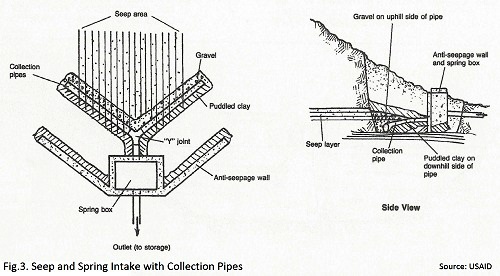 Source: clean-water-for-laymen.com
If the water table drops it may quit all together. If the water table drops it may quit all together. We are building our sustainable homestead from scratch and creating our water sourcesteepinthewoods. Tapping Water from a Natural Hillside Spring - Ozark Foothills. Generally trying to stop a natural spring is a lost cause on a residential scale - controlling the water and getting it into a form you can handle is almost always the cheapest solution - normally by either diverting the flow as it exits the ground or sometimes by putting in a bordered pond at the exit point then controlling the water as it exits the pond.
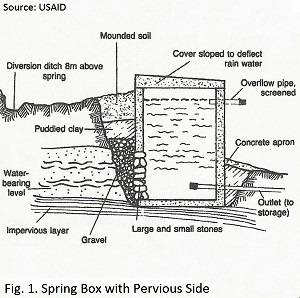 Source: clean-water-for-laymen.com
So we are digging out a spring on our 30 acres. In this video I will show what to look for when trying to locate a springFor video updates and homestead extras just visit and like my Facebook Page ht. Determine the flow rate by timing how long it takes the water to fill the bucket. If youre planning a small pond that isnt very deep and youre in good shape go ahead and use a shovel. You can possible dig into the spring head and open it up and it will flow freely.
This site is an open community for users to do submittion their favorite wallpapers on the internet, all images or pictures in this website are for personal wallpaper use only, it is stricly prohibited to use this wallpaper for commercial purposes, if you are the author and find this image is shared without your permission, please kindly raise a DMCA report to Us.
If you find this site good, please support us by sharing this posts to your favorite social media accounts like Facebook, Instagram and so on or you can also save this blog page with the title digging out a natural spring by using Ctrl + D for devices a laptop with a Windows operating system or Command + D for laptops with an Apple operating system. If you use a smartphone, you can also use the drawer menu of the browser you are using. Whether it’s a Windows, Mac, iOS or Android operating system, you will still be able to bookmark this website.